
From Miracles to Maturity
God’s Glory in the Church — A Biblical Case for Cessationism.
A biblical and historical case for the nature, purpose, and cessation of the revelatory gifts.

Executive Summary
The sign and revelatory gifts belonged to the church’s foundational period, when Christ established his apostolic witness, authenticated the gospel, and formed one mature body through the completed work of the triune God. This conference argues that cessationism is not merely a claim about the closing of the canon, but about the completed constitution of the church for post-foundational life under the sufficient authority of Scripture. Drawing from 1 Corinthians 12–14, Ephesians 2–4, and the history of post-apostolic charismatic claims, the sessions present a biblical, theological, and historical case that the church’s maturity is found not in ongoing revelatory offices, but in the Spirit-formed body governed by the once-for-all apostolic Word.
Session Media Index
Stream and download the complete conference session audio, slides, and video archives.
From Conference Lectures to Research
Several academic essays are being developed from the exegetical and historical work behind the conference. The abstracts below summarize the research trajectories without reproducing manuscripts currently under review.
Mirror, Enigma, and Face: A New Reading of Knowledge in 1 Corinthians 13:12
The common eschatological interpretation of 1 Corinthians 13:8–13 connects the passing away of prophecy, tongues, and knowledge to the parousia: τὸ τέλειον refers to eschatological perfection in the eternal state, and the expression historically translated ‘face to face’ in v.12b describes the beatific vision. This reading also supplies the usual continuationist objection to cessationist appeals to the passage. It depends, however, on three inherited renderings that obscure a maturity-based interpretation. The word αἴνιγμα means ‘enigma’ or ‘riddle’, not ‘dimly’ or ‘darkly’. Second, πρόσωπον πρὸς πρόσωπον is not a natural Greek expression for ordinary physical encounter but a LXX Hebraism denoting direct relational encounter within the broader biblical pattern of divine-human address and Mosaic communicative access. Third, ἐπιγινώσκω denotes recognition or apprehension rather than exhaustive omniscience. Together with the developmental logic of the child-to-man image of v.11 and the concluding control of v.13, these observations support a maturity-based rather than consummative reading. The implications for the cessationist argument are significant: the passing of revelatory gifts is relocated from the parousia to the arrival of the mature church in possession of the completed apostolic witness.
After the Apostles: Charismatic Authority and the Case for a Nuanced Cessationism
Thomas Schreiner has argued that the case for nuanced cessationism depends substantially on the nature of New Testament prophecy: if prophecy is revelatory, authoritative, and foundational, then prophets no longer exist today because the foundation of the church has been laid once for all. This article draws a historical implication from that exegetical conclusion: post-apostolic claims to prophecy, visions, miracles, and spiritual power are not merely questions of religious experience, but questions of ecclesial authority. The history of post-apostolic charismatic claims is not a story of simple continuation or disappearance; it is a history of claims to spiritual power increasingly serving purposes and authority structures foreign to their apostolic function. In the early catholic period, such claims served institution, succession, and sacrament. In the medieval period, they vindicated saints, mystics, relics, shrines, and holy persons. In Holiness and early Pentecostal theology, they became evidence of heightened individual spiritual status. In Latter Rain and New Apostolic Reformation theology, such claims were reconstructed around contemporary claims to apostolic-prophetic government and, in some forms, directed toward ecclesial control and cultural dominion. A nuanced cessationism should therefore be understood not as anti-supernaturalism, but as a doctrine of apostolic authority: the revelatory/sign complex belonged to the apostolic foundation and may not be normalized as a competing structure of divine authorization.
The Triune God and the Mature Body
Paul’s account of the body’s gifts in 1 Corinthians 12 is trinitarian: the Spirit distributes gifts, the Lord orders ministries, and God empowers the whole. This article argues that body maturity is the completed constitutive work of the triune God in establishing the church for post-foundational life. The mature body is built on the apostolic-prophetic foundation, constituted as one Jew-Gentile body, inaugurated into the Spirit-given gift economy, and furnished with the apostolic witness to Christ’s fullness. Love is the bond and form of this maturity: the Spirit-enabled condition in which the body apprehends Christ and grows into his fullness. This account clarifies the mature-body reading of τὸ τέλειον in 1 Corinthians 13:10 and distinguishes gifts whose function was constitutive from those whose function remains operational.
Archived Details
Featured Speakers
Biographical summaries of the conference session teachers.

Dr. Timothy L. Dane
Senior Pastor, Mesa Hills Bible Church
Dr. Dane is the author of "The Cessation of the Prophetic Gifts," a scholarly examination of cessationism based on the exegesis of 1 Corinthians 13:8-13, theology, and church history.

Bent Christiansen
Executive Director; Professor of OT & Biblical Languages, FRBI&S
Bent Christiansen is Executive Director and Professor of Old Testament and Biblical Languages at FRBI&S, with peer-reviewed scholarship in Vetus Testamentum and ZAW focused on Hebrew grammar and Old Testament exegesis.
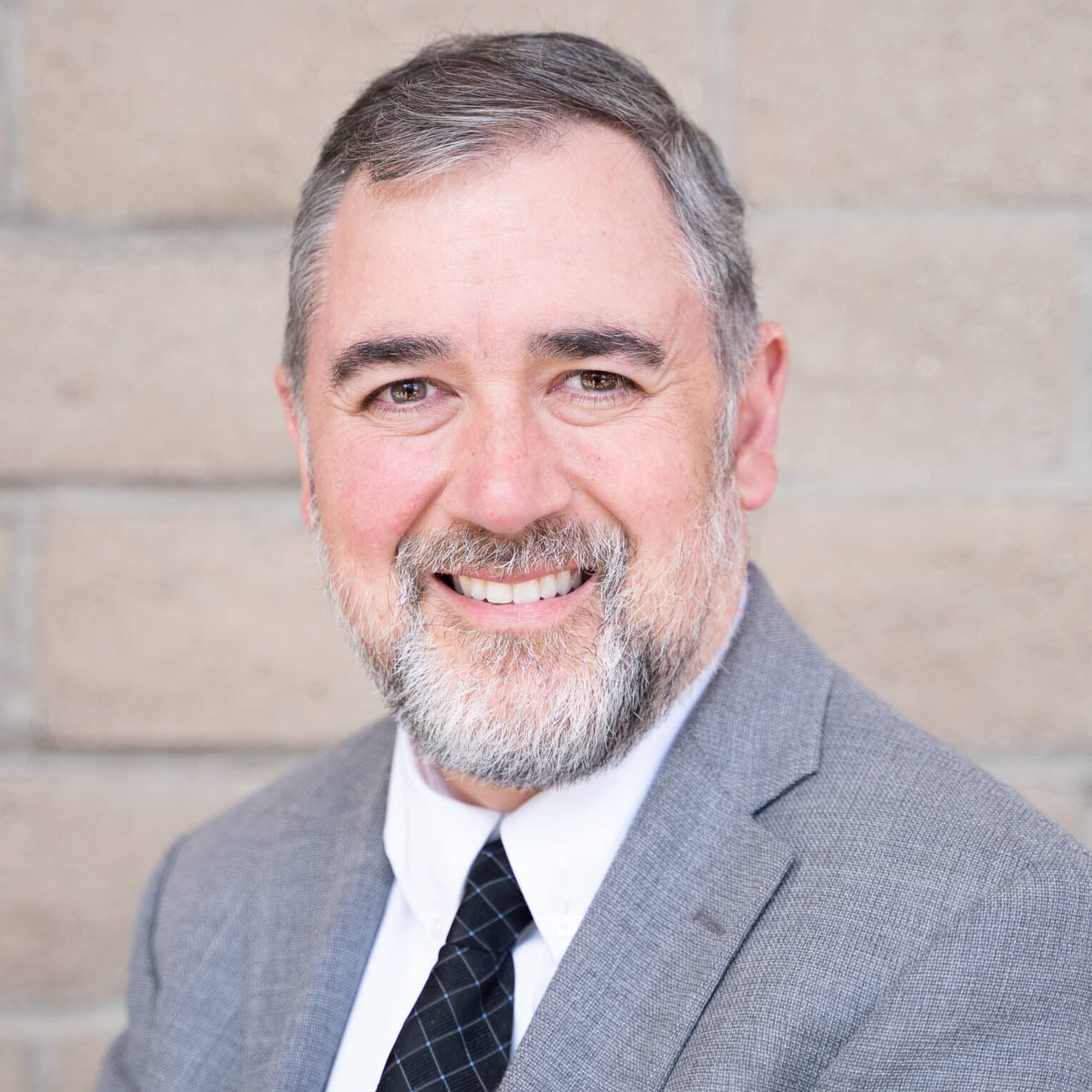
Justin Peters
Evangelist and Apologist
Justin Peters is a full-time evangelist and apologist, widely recognized for his rigorous biblical critiques of Word of Faith theology and the New Apostolic Reformation.
Event Schedule (Archived)
The historical timetable of the conference lectures.
Saturday Timetable
Venue & Location (MHBC)
Address, maps, and parking information for the conference location.
Mesa Hills Bible Church
615 W. Uintah Street
Colorado Springs, CO 80905
Free parking is available on-site at the church campus.